Table of Contents
ToggleHave you ever stopped to think about why online slot games feel so satisfying to play, even when you're not winning? There's actually a lot of psychology happening behind the scenes. Game designers spend considerable time and resources understanding how human brains respond to colors, sounds, animations, and reward patterns. What might seem like random design choices are actually carefully calculated decisions meant to create specific emotional responses and keep players engaged.
The truth is that online slot gaming experiences are built on decades of research in behavioral psychology, neuroscience, and game design. Every visual element, every sound effect, and every animation serves a purpose. Understanding these principles gives you insight into why these games feel the way they do and how they manage to capture and hold our attention so effectively.
Let's explore the main psychological factors that shape modern slot gaming experiences and how designers use them to create compelling gameplay.
Visual Design And Color Psychology
Colors are one of the most powerful tools in slot game design, and they work directly on your emotional state without you even realizing it.
How Colors Influence Player Behavior
Bright, saturated colors like gold, red, and purple are extremely common in slot games for good reason. Red creates a sense of excitement and urgency, which naturally draws your eye to important elements on the screen. Gold and yellow trigger associations with wealth and winning, making them psychologically linked to positive outcomes. Blue, on the other hand, tends to have a calming effect and is often used as a background color to keep the overall experience from feeling overwhelming. When you're playing at hoki22 slot or similar platforms, you'll notice these color schemes working in harmony to guide your attention and manage your emotional state throughout the session.
Contrast And Visual Hierarchy
Game designers use high contrast between different elements to create visual hierarchy. The most important buttons and features stand out immediately, while less critical information fades into the background. This makes the interface intuitive without requiring much conscious thought. Your brain naturally knows where to look and what to interact with next.
Sound Design And Audio Cues
Audio is arguably even more powerful than visuals when it comes to shaping your emotional response to slot games.
The Role Of Reward Sounds
Every time something positive happens in a slot game, you hear a sound. A small win triggers a cheerful chime, a bigger win produces a more elaborate musical flourish, and a jackpot might unleash a full celebratory tune. Your brain learns to associate these sounds with positive outcomes, and over time, simply hearing them becomes rewarding in itself. This is classical conditioning in action. The sounds are carefully composed to be pleasant but not annoying, maintaining engagement without causing fatigue.
Background Music And Atmosphere
The background music in slot games is typically upbeat and energetic, but not so intense that it becomes distracting. This creates an atmosphere of excitement and optimism. The tempo and instrumentation are chosen to keep your arousal level at an optimal point for engagement. Too calm, and you might lose interest. Too chaotic, and you might feel stressed.
Animation And Movement Patterns
Movement on the screen captures human attention automatically, which is why animations play such a central role in slot design.
The Spinning Reels Effect
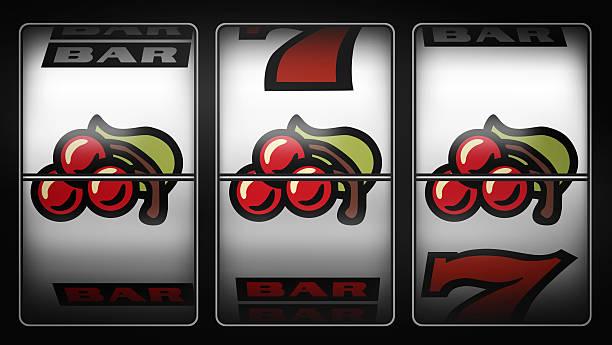
The spinning reels themselves are designed to create anticipation. The speed of the spin, the way symbols blur and then snap into place, and the timing of the final reveal all work together to build tension and release. This mirrors the structure of a slot machine in the physical world, but with enhanced visual feedback that makes the experience feel more dynamic and engaging.
Win Animations And Celebrations
When you hit a winning combination, the game doesn't just show you the result. Instead, you get elaborate animations with symbols lighting up, bouncing, or exploding off the screen. These animations serve multiple purposes: they confirm your win in an unmistakable way, they provide immediate gratification, and they make the win feel more significant than it might otherwise. A small win with a big animation feels more rewarding than a small win with minimal feedback.
Reward Structures And Variable Reinforcement
Perhaps the most psychologically powerful aspect of slot games is how they distribute rewards.
The Variable Ratio Schedule
Slot games use what psychologists call a variable ratio reinforcement schedule. This means you don't know exactly when you'll win, but you know that wins will come at unpredictable intervals. This pattern is more addictive than consistent rewards because your brain remains in a state of anticipation. Each spin could be the big one. This uncertainty keeps you engaged far more effectively than if wins came at regular, predictable intervals.
Near-Miss Experiences
Game designers also incorporate near-miss scenarios where you almost win but fall just short. Psychologically, near-misses feel almost as rewarding as actual wins because your brain perceives them as close calls rather than pure losses. This keeps you motivated to continue playing, believing that success is just around the corner.
Cognitive Load And Decision Making
Effective slot game design manages how much mental effort you need to expend while playing.
Simplified Interfaces
The interface is intentionally simple, with clear buttons and obvious actions. You don't need to learn complex rules or make difficult strategic decisions. This low cognitive load means you can play for extended periods without mental fatigue. Your brain can focus on the emotional experience rather than processing complicated information.
Predictability Within Randomness
While the outcomes are random, the game structure itself is highly predictable. You know what to expect from the layout, the mechanics, and the flow of play. This balance between predictable structure and unpredictable outcomes creates a comfortable playing environment where you feel in control despite the randomness.
Social And Progress Elements
Modern slot games often include elements that tap into social motivation and the human desire for progression.
Leaderboards And Achievement Systems
Many platforms incorporate leaderboards, achievement badges, and progress tracking. These elements activate the same reward centers in your brain that respond to competition and accomplishment. Even though the outcomes are determined by chance, the progress systems create a sense of skill development and advancement.
Understanding these psychological principles helps you recognize how slot game design works on your brain. The colors, sounds, animations, and reward structures aren't accidental. They're the result of careful research into human psychology and behavioral science. Being aware of these techniques means you can approach slot gaming with a clearer understanding of why these experiences feel so engaging.